
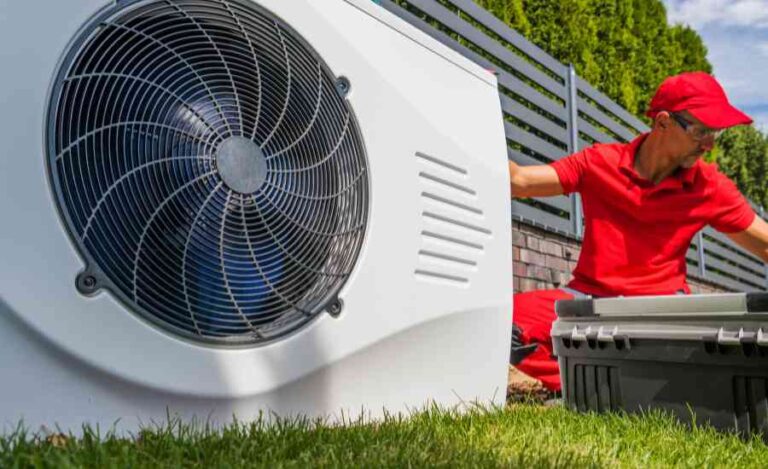
In today’s world, where energy efficiency and sustainable living take center stage, mastering heat pump installation is more crucial than ever. Imagine a system that not only keeps your home comfortable year-round but also significantly reduces your energy bills. This complete guide is designed for homeowners, DIY enthusiasts, and contractors alike, offering clear insights and step-by-step instructions to install heat pumps effectively. From understanding the various types of heat pumps to tackling the installation process with confidence, you’ll discover how to create a cozy, climate-controlled environment while contributing to a greener planet. Whether you’re embarking on a new home project or upgrading your current system, this guide will empower you with the knowledge to enhance your home’s efficiency and comfort for years to come. Get ready to transform the way you experience your living space through the power of heat pumps!
Heat pumps are revolutionary devices that provide both heating and cooling solutions by transferring heat from one place to another. Unlike traditional HVAC systems that generate heat through combustion, heat pumps move heat using refrigerants, making them highly efficient. There are primarily three types of heat pumps: air-source, ground-source (or geothermal), and water-source. Each type operates on the same fundamental principle but sources heat from different environments.
Air-source heat pumps are the most common and extract heat from the outside air. These systems are suitable for a variety of climates and are easier to install compared to other types. Ground-source heat pumps, on the other hand, harness heat from the ground, using a series of pipes buried underground. This type is highly efficient because the ground temperature remains relatively constant throughout the year, but the installation process is more complex and costly. Water-source heat pumps draw heat from a nearby water source, such as a lake or pond, and are less common due to the specific environmental requirements.
The benefits of heat pumps are numerous. They are energy-efficient, reducing the carbon footprint of a home by using renewable heat sources. This efficiency translates to lower energy bills, making them a cost-effective solution in the long run. Heat pumps also offer year-round comfort by providing both heating and cooling capabilities. Additionally, they are safer than combustion-based systems and have lower maintenance requirements, ensuring reliability and durability. By understanding these different types and their benefits, homeowners can make informed decisions about which system best suits their needs.
Proper installation of a heat pump is crucial to ensure optimal performance and longevity. An improperly installed heat pump can lead to a host of issues, including reduced efficiency, increased energy costs, frequent breakdowns, and even complete system failure. Therefore, it is essential to follow the manufacturer’s guidelines and best practices during installation to avoid these pitfalls.
One of the primary reasons for emphasizing proper installation is to ensure the system operates at its maximum efficiency. Heat pumps rely on precise measurements and correct component positioning to function correctly. A poorly installed system may not be able to maintain the desired temperature, leading to discomfort and higher energy usage. This inefficiency not only affects your comfort but also impacts your wallet, as the system will consume more power to achieve the same results.
Additionally, proper installation ensures the longevity of the heat pump. A well-installed system is less likely to experience issues such as refrigerant leaks, electrical problems, or mechanical failures. This reliability reduces the need for frequent repairs and extends the lifespan of the unit. Furthermore, manufacturers often require professional installation to honor warranties, meaning that improper installation could void your warranty and leave you responsible for costly repairs. By investing time and effort into proper installation, you can enjoy the full benefits of your heat pump for many years to come.
Before embarking on the installation of a heat pump, several key factors must be considered to ensure the system meets your home’s specific needs. These factors include the size and layout of your home, the climate in your region, and the availability of suitable installation sites. Taking these elements into account will help you select the right heat pump and optimize its performance.
The size and layout of your home are critical factors in determining the appropriate heat pump size. An undersized unit will struggle to maintain the desired temperature, leading to inefficiency and increased wear and tear. Conversely, an oversized unit can short-cycle, causing temperature fluctuations and higher energy consumption. Conducting a load calculation, which considers the square footage, insulation levels, and number of windows in your home, can help you choose the correct size for your heat pump.
Climate is another important consideration. While heat pumps are highly efficient, their performance can vary based on the outdoor temperature. In colder climates, air-source heat pumps may require a supplemental heating system to maintain comfort during extreme weather conditions. Ground-source or water-source heat pumps, which are less affected by outdoor temperature fluctuations, may be more suitable for such regions. Understanding your local climate will guide you in selecting the most efficient and effective heat pump for your home.
Finally, the availability of suitable installation sites must be evaluated. Air-source heat pumps require adequate space for the outdoor unit, away from obstructions that could impede airflow. Ground-source heat pumps need sufficient land for the installation of underground loops, while water-source heat pumps require a nearby water source. Assessing these site requirements will ensure a smooth installation process and optimal operation of your heat pump system.
Installing a heat pump requires a variety of tools and equipment to ensure a successful and safe installation. Whether you are a DIY enthusiast or a professional contractor, having the right tools on hand will make the process more efficient and help avoid potential issues. Below is a list of essential tools and equipment needed for heat pump installation.
First and foremost, you will need basic hand tools such as screwdrivers, pliers, wrenches, and a utility knife. These tools are necessary for assembling and securing various components of the heat pump system. A power drill with a set of drill bits will also be required for drilling holes and fastening screws. Additionally, a level and measuring tape are essential to ensure accurate placement and alignment of the units.
Specialized HVAC tools are also crucial for heat pump installation. A refrigerant manifold gauge set is needed to measure and charge the refrigerant levels accurately. A vacuum pump is required to evacuate air and moisture from the refrigerant lines before charging the system. You will also need a refrigerant recovery machine if you are handling an existing system. An electrical multimeter is essential for checking voltage and continuity to ensure proper electrical connections. Safety equipment such as gloves, safety glasses, and ear protection should always be used to protect yourself during installation.
Other important equipment includes a pipe cutter for cutting copper pipes, a flaring tool for creating flared joints, and a brazing torch for soldering connections. Insulation materials, such as foam pipe insulation and duct tape, are necessary to insulate refrigerant lines and prevent heat loss. Finally, a digital thermometer and anemometer can be used to verify the system’s performance and airflow. By having these tools and equipment ready, you can confidently tackle the installation process and ensure a successful outcome.
Installing a heat pump can be a complex process, but with careful planning and attention to detail, it can be accomplished successfully. Follow this step-by-step guide to ensure a smooth installation and optimal performance of your heat pump system.
By following these steps, you can successfully install a heat pump and enjoy the benefits of energy-efficient heating and cooling in your home.
Installing a heat pump can be a challenging task, and even small mistakes can lead to significant problems down the line. Being aware of common mistakes and how to avoid them can help ensure a successful installation and reliable operation of your heat pump system.
One of the most common mistakes during installation is improper sizing of the heat pump. An incorrectly sized unit can result in poor performance, reduced efficiency, and increased wear and tear. To avoid this, conduct a thorough load calculation considering factors such as the size of your home, insulation levels, and local climate. This will help you select the right size heat pump for your needs.
Another frequent mistake is improper placement of the outdoor unit. The outdoor unit needs adequate clearance for airflow and should be placed on a stable, level surface. Avoid placing it near obstructions such as walls, bushes, or fences that can impede airflow. Additionally, ensure the unit is protected from the elements, such as direct sunlight and heavy snow, to maintain optimal performance.
Incorrect refrigerant line connections and improper evacuation of air and moisture from the system are also common errors. Use the right tools, such as a pipe cutter, flaring tool, and vacuum pump, to ensure accurate connections and proper evacuation. Failing to do so can lead to refrigerant leaks, reduced efficiency, and potential damage to the system. Double-check all connections and follow the manufacturer’s instructions carefully to avoid these issues.
Regular maintenance is essential to keep your heat pump operating efficiently and extend its lifespan. By following these maintenance tips, you can ensure optimal performance and avoid costly repairs.
First, clean or replace the air filters regularly. Dirty filters can restrict airflow, reducing the efficiency of your heat pump and causing it to work harder. Check the filters monthly and clean or replace them as needed. This simple task can significantly improve the system’s performance and indoor air quality.
Next, inspect the outdoor unit for debris and obstructions. Leaves, dirt, and other debris can accumulate around the unit, impeding airflow and reducing efficiency. Clean the area around the outdoor unit regularly and remove any obstructions. Additionally, check the unit’s coils and fins for dirt and damage. Use a soft brush or a vacuum cleaner to clean the coils and straighten any bent fins.
Check the refrigerant levels and electrical connections periodically. Low refrigerant levels can indicate a leak, which needs to be addressed promptly. Use a refrigerant manifold gauge set to check the levels and add refrigerant if necessary. Inspect the electrical connections for signs of wear or corrosion, and tighten any loose connections. If you notice any issues, contact a professional technician for assistance.
Lastly, schedule annual professional maintenance. A qualified HVAC technician can perform a thorough inspection and tune-up of your heat pump, identifying and addressing any potential problems before they become serious. Regular professional maintenance can help ensure your heat pump operates efficiently and reliably for years to come.
Understanding energy efficiency ratings is crucial when selecting a heat pump, as these ratings indicate the system’s performance and potential energy savings. Two primary ratings to consider are the Seasonal Energy Efficiency Ratio (SEER) and the Heating Seasonal Performance Factor (HSPF).
The SEER rating measures the cooling efficiency of a heat pump over an entire cooling season. It is calculated by dividing the total cooling output by the total energy consumed during that period. The higher the SEER rating, the more efficient the heat pump. For example, a heat pump with a SEER rating of 16 is more efficient than one with a rating of 14. When selecting a heat pump, look for models with higher SEER ratings to maximize energy savings and reduce cooling costs.
The HSPF rating measures the heating efficiency of a heat pump over an entire heating season. It is calculated by dividing the total heating output by the total energy consumed during that period. Similar to the SEER rating, a higher HSPF rating indicates better efficiency. For instance, a heat pump with an HSPF rating of 9 is more efficient than one with a rating of 7. Choosing a heat pump with a higher HSPF rating can help lower your heating bills and improve overall comfort.
In addition to SEER and HSPF ratings, the Energy Star certification is another important indicator of efficiency. Energy Star certified heat pumps meet stringent energy efficiency guidelines set by the U.S. Environmental Protection Agency (EPA). These models typically have higher SEER and HSPF ratings and offer significant energy savings compared to non-certified models. When shopping for a heat pump, look for the Energy Star label to ensure you are selecting an efficient and environmentally friendly option.
The cost of heat pump installation can vary widely based on several factors, including the type of heat pump, the size of your home, and the complexity of the installation process. Understanding these cost considerations can help you budget effectively and make informed decisions.
One of the primary factors influencing the cost is the type of heat pump. Air-source heat pumps are generally less expensive to purchase and install compared to ground-source or water-source heat pumps. Ground-source heat pumps require extensive excavation and installation of underground loops, which can significantly increase the overall cost. Water-source heat pumps may also require additional infrastructure, such as a water source or well, adding to the expense.
The size of your home and the heat pump’s capacity also play a role in determining the cost. Larger homes typically require larger, more powerful heat pumps, which are more expensive. Additionally, if your home requires multiple zones or units, the cost will increase accordingly. Conducting a load calculation can help you determine the appropriate size and number of units needed, ensuring you do not overspend on an oversized system.
The complexity of the installation process is another important cost consideration. Factors such as the accessibility of the installation site, the need for additional electrical work, and the condition of existing ductwork can all impact the cost. For instance, if your home requires significant modifications to accommodate the heat pump, such as upgrading the electrical panel or repairing ductwork, these additional tasks will add to the overall expense. Hiring a professional installer can help ensure the process is completed correctly and efficiently, potentially saving you money in the long run by avoiding costly mistakes and repairs.
In conclusion, mastering heat pump installation is an essential step towards achieving a comfortable and energy-efficient home. By understanding the different types of heat pumps, recognizing the importance of proper installation, and considering key factors such as home size and climate, you can select the right system for your needs. Equipped with the necessary tools and following a detailed step-by-step guide, you can confidently install your heat pump and enjoy its numerous benefits.
Avoiding common installation mistakes and performing regular maintenance will ensure your heat pump operates efficiently and reliably for years to come. Understanding energy efficiency ratings and selecting high-rated models can further enhance your energy savings and reduce your environmental impact. While the initial cost of heat pump installation may vary, the long-term benefits of lower energy bills, improved comfort, and a reduced carbon footprint make it a worthwhile investment.
By following this complete guide, you can transform your living space into a cozy, climate-controlled environment while contributing to a greener planet. Embrace the power of heat pumps and experience the perfect blend of comfort and efficiency in your home.
For professional assistance or expert advice on heat pump installation, feel free to contact EJS Ventilation:
🌐 Website: ejsventilation.com
📞 Phone: (902) 865-1911
📧 Email: info@ejsventilation.com
We’re here to help you create a safer, more comfortable, and energy-efficient home.
