
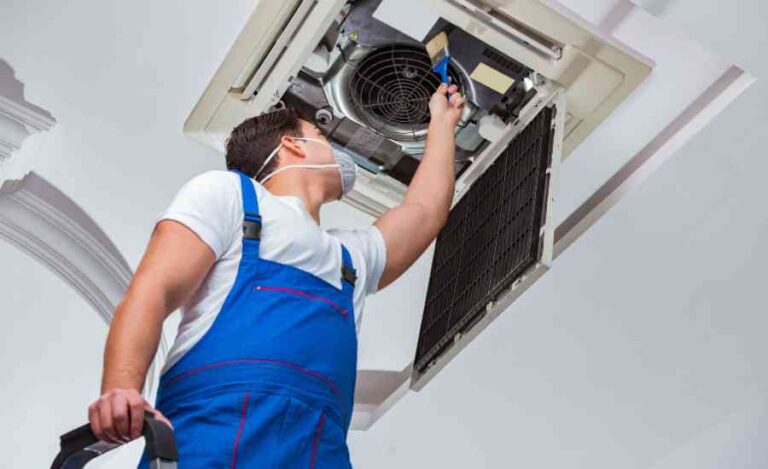
Are you breathing in the freshest air your home can offer? Indoor air quality is often overlooked, yet it plays a crucial role in our overall health and comfort. Whether it’s allergens, pollutants, or simply stale air, unseen factors can significantly impact your well-being. By harnessing the power of effective air exchangers, homeowners can dramatically improve their living environments. This article is packed with essential air exchanger service tips that will empower you to optimize your home’s air quality. From routine maintenance practices to smart upgrades, we’ll guide you through the steps necessary to ensure your indoor air is clean, fresh, and invigorating. Don’t underestimate the difference proper air circulation can make. Dive into our expert insights and take control of your home’s atmosphere today!
Are you breathing in the freshest air your home can offer? Indoor air quality is often overlooked, yet it plays a crucial role in our overall health and comfort. Whether it’s allergens, pollutants, or simply stale air, unseen factors can significantly impact your well-being. By harnessing the power of effective air exchangers, homeowners can dramatically improve their living environments. This article is packed with essential air exchanger service tips that will empower you to optimize your home’s air quality. From routine maintenance practices to smart upgrades, we’ll guide you through the steps necessary to ensure your indoor air is clean, fresh, and invigorating. Don’t underestimate the difference proper air circulation can make. Dive into our expert insights and take control of your home’s atmosphere today!
Indoor air quality is a critical aspect of a healthy living environment, yet it is often taken for granted. Poor air quality can lead to a host of health problems, including respiratory issues, allergies, and even chronic conditions like asthma. The sources of indoor air pollution are numerous, ranging from household cleaning products and cooking fumes to pet dander and outdoor pollutants that infiltrate our homes. Understanding the importance of maintaining high air quality can not only enhance comfort but also significantly improve overall health.
The Environmental Protection Agency (EPA) has identified indoor air quality as one of the top five environmental risks to public health. Given that people spend approximately 90% of their time indoors, the quality of the air we breathe in our homes becomes crucial. Poor ventilation can exacerbate the concentration of indoor pollutants, making it essential to ensure that the air in our homes is regularly exchanged and purified. This is where air exchangers come into play, providing a vital solution to maintaining a healthy indoor atmosphere.
Investing in indoor air quality is not just about immediate comfort but also about long-term well-being. Children, the elderly, and individuals with pre-existing health conditions are particularly vulnerable to poor air quality. By prioritizing and enhancing the air we breathe indoors, we can create a safer and more pleasant environment for everyone. This underscores the importance of understanding and maintaining our home’s air quality through effective solutions like air exchangers.
An air exchanger is a device designed to improve indoor air quality by continuously exchanging stale indoor air with fresh outdoor air. It operates on the principle of ventilation, using fans and ducts to remove indoor pollutants and replace them with clean, filtered air. This process ensures that the air inside a home remains fresh, reducing the concentration of potential allergens, pollutants, and moisture.
Air exchangers come in various types, including heat recovery ventilators (HRVs) and energy recovery ventilators (ERVs). HRVs are designed to transfer heat from the outgoing stale air to the incoming fresh air, making the process energy-efficient, especially in colder climates. ERVs, on the other hand, transfer both heat and moisture, which can be beneficial in maintaining indoor humidity levels, particularly in areas with high humidity.
The functionality of air exchangers goes beyond simple ventilation. They play a crucial role in maintaining a balanced indoor environment by ensuring that the air we breathe is continually refreshed and free from harmful contaminants. This makes them an indispensable component of any modern home, particularly for those who prioritize health, comfort, and energy efficiency.
Regular maintenance of your air exchanger is essential to ensure it operates efficiently and effectively. One of the primary benefits of maintaining your air exchanger is improved air quality. Over time, dust, debris, and other contaminants can accumulate in the system, reducing its ability to filter and circulate air properly. By performing regular maintenance, you can ensure that your air exchanger continues to provide clean, fresh air throughout your home.
Another significant benefit of regular maintenance is enhanced energy efficiency. A well-maintained air exchanger operates more efficiently, using less energy to achieve the desired air quality. This not only helps reduce your energy bills but also minimizes your home’s environmental footprint. Additionally, regular maintenance can extend the lifespan of your air exchanger, preventing costly repairs or replacements down the line.
Furthermore, regular maintenance helps identify and address potential issues before they become major problems. By inspecting and servicing your air exchanger regularly, you can catch minor issues early, such as worn-out filters or damaged components, and address them promptly. This proactive approach can save you time, money, and stress, ensuring that your air exchanger continues to function optimally for years to come.
Recognizing the signs that your air exchanger needs service can help you address issues before they escalate. One common sign is a noticeable decrease in air quality. If you start to notice more dust, allergens, or a musty odor in your home, it could indicate that your air exchanger is not functioning properly. This could be due to clogged filters, blocked ducts, or other issues that require professional attention.
Another sign that your air exchanger may need service is increased energy consumption. If you notice a sudden spike in your energy bills without a corresponding increase in usage, it could be a sign that your air exchanger is working harder than it should. This could be due to a variety of issues, including dirty filters, worn-out components, or inefficient operation, all of which can be addressed through regular maintenance.
Unusual noises coming from your air exchanger can also be a sign that it needs service. If you hear rattling, banging, or other strange sounds, it could indicate that there is a mechanical issue that needs to be addressed. Ignoring these noises can lead to further damage and potentially costly repairs. By addressing these signs early, you can ensure that your air exchanger continues to operate smoothly and efficiently.
Maintaining your air exchanger is crucial for ensuring its optimal performance and longevity. One of the most important service tips is to regularly clean or replace the filters. Dirty filters can significantly reduce the efficiency of your air exchanger, leading to poor air quality and increased energy consumption. Check the manufacturer’s guidelines for how often to clean or replace the filters, and make it a part of your routine maintenance schedule.
Another essential tip is to inspect and clean the ventilation ducts. Over time, dust, debris, and even mold can accumulate in the ducts, obstructing airflow and reducing the effectiveness of your air exchanger. Regularly inspect the ducts for any signs of buildup and clean them as needed. This will help ensure that your air exchanger can circulate air effectively and maintain a healthy indoor environment.
It’s also important to check the overall condition of your air exchanger, including the fans, motors, and other components. Look for any signs of wear or damage, such as frayed wires, loose connections, or unusual noises. Addressing these issues early can prevent more significant problems and extend the lifespan of your air exchanger. Additionally, consider scheduling a professional service appointment at least once a year to ensure that your air exchanger is thoroughly inspected and maintained.
Selecting the right air exchanger for your home involves considering several factors to ensure it meets your specific needs. One of the first things to consider is the size of your home. Air exchangers come in various capacities, and it’s essential to choose one that can effectively handle the volume of air in your home. A unit that is too small will struggle to maintain good air quality, while one that is too large may be unnecessarily expensive and inefficient.
Another important factor to consider is the climate in your area. Different types of air exchangers, such as HRVs and ERVs, are designed to perform optimally in different climates. For example, HRVs are generally more suitable for colder climates, as they focus on heat recovery, while ERVs are better for areas with high humidity, as they manage both heat and moisture. Understanding your local climate will help you choose the most suitable air exchanger for your home.
Additionally, consider the specific needs of your household. If you have family members with allergies or respiratory issues, you may want to opt for an air exchanger with advanced filtration capabilities to remove allergens and pollutants effectively. Energy efficiency is another critical factor, as a more efficient unit can help reduce your energy bills and environmental impact. Take the time to research and compare different models, and consult with a professional if needed, to ensure you choose the best air exchanger for your home.
When it comes to maintaining your air exchanger, you may wonder whether you should handle it yourself or hire a professional. DIY maintenance can be a cost-effective option for routine tasks such as cleaning or replacing filters, inspecting ducts, and checking for visible signs of wear. These tasks are generally straightforward and can be done with basic tools and a bit of knowledge. However, it’s essential to follow the manufacturer’s guidelines and safety precautions to avoid damaging the unit or compromising its performance.
On the other hand, professional service offers several advantages, particularly for more complex maintenance tasks. Professionals have the expertise and equipment to thoroughly inspect and service your air exchanger, identifying and addressing issues that may not be apparent to the untrained eye. They can also ensure that all components are functioning correctly and efficiently, which can help prevent costly repairs or replacements in the future.
Ultimately, the decision between DIY maintenance and professional service depends on your comfort level and the complexity of the tasks involved. While routine maintenance can often be handled by homeowners, it’s a good idea to schedule a professional service appointment at least once a year to ensure your air exchanger is in top condition. This combination of DIY and professional maintenance can help you achieve the best results and keep your air exchanger running smoothly.
Air exchangers play a significant role in enhancing the energy efficiency of your home. By continuously exchanging stale indoor air with fresh outdoor air, they help maintain a consistent indoor temperature and reduce the need for heating and cooling. This is particularly important in well-insulated homes, where poor ventilation can lead to excessive moisture and stale air, causing your HVAC system to work harder to maintain a comfortable environment.
Heat recovery ventilators (HRVs) and energy recovery ventilators (ERVs) are designed to maximize energy efficiency by transferring heat and, in the case of ERVs, moisture between the incoming and outgoing air streams. Learn how energy-efficient air exchangers, such as HRVs and ERVs, contribute to better indoor air and energy savings on the ENERGY STAR website. This process helps to precondition the incoming air, reducing the load on your heating and cooling systems. As a result, your HVAC system can operate more efficiently, leading to lower energy bills and a reduced environmental impact.
In addition to improving energy efficiency, air exchangers also contribute to a healthier indoor environment by reducing the concentration of indoor pollutants and maintaining balanced humidity levels. This not only enhances comfort but also helps protect your home and belongings from the damaging effects of excess moisture, such as mold growth and structural damage. By investing in a high-quality air exchanger and maintaining it properly, you can enjoy the benefits of improved air quality and energy efficiency for years to come.
Prioritizing your home’s air quality is essential for creating a healthy and comfortable living environment. By understanding the importance of indoor air quality and the role of air exchangers, you can take proactive steps to ensure your home is filled with clean, fresh air. Regular maintenance, choosing the right air exchanger for your home, and knowing when to seek professional service are all crucial aspects of optimizing your air exchanger’s performance.
Investing in an air exchanger and maintaining it properly can lead to numerous benefits, including improved air quality, enhanced energy efficiency, and a healthier indoor environment. Whether you handle routine maintenance tasks yourself or hire a professional, the key is to stay vigilant and address any issues promptly. By doing so, you can enjoy the peace of mind that comes with knowing your home’s air quality is being effectively managed.
Don’t underestimate the impact that proper air circulation and high-quality indoor air can have on your overall well-being. Take control of your home’s atmosphere today by following the essential air exchanger service tips outlined in this article. With a little effort and attention, you can maximize your home’s air quality and create a healthier, more comfortable living space for you and your loved ones.
For professional assistance or expert advice on Air Exchanger Service, feel free to contact EJS Ventilation:
🌐 Website: ejsventilation.com
📞 Phone: (902) 865-1911
📧 Email: info@ejsventilation.com
We’re here to help you create a safer, more comfortable, and energy-efficient home.
